Shop / Custom Art
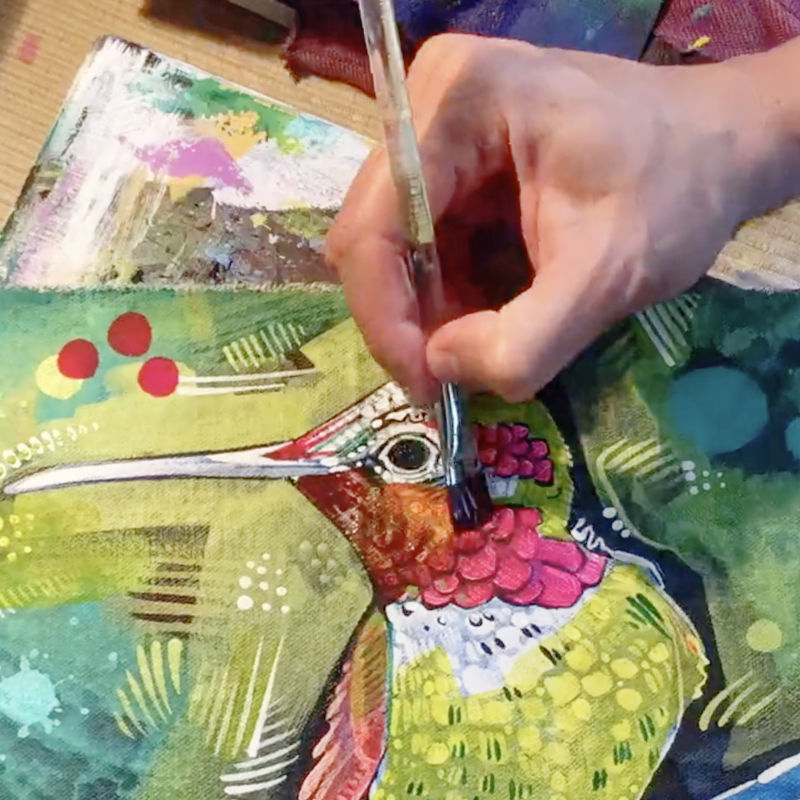
It could be you, your sweetie, your kids, your pet, your home, or even your dream. Creating custom artworks is one of my favorite things!
When painting people or pets, there are two options. I can work from photos I take myself during the course of an hour-long interview. Or I can paint from photos you provide, but I must have access to as many images as possible and we must do a half hour interview via video chat so that I can meet the subject and talk about how best to portray them. This extra information is vital to my process since I never simply reproduce a photo in my style, but instead work to evoke something deeper with my paintings.
When painting homes or dreams, I work from photos you provide along with a full description in order to create a piece. As with portraits, a detailed narrative from you is necessary to make a painting that captures the feeling that you are looking for.
I paint on canvas or panel with Golden and Nova Color acrylic paints. Artworks come unframed but ready to be displayed, with finished sides and a hanging wire installed.
How It Works
Prices are listed below with examples to help you imagine what I can create for you. The prices are in US dollars and they do not include shipping fees or taxes.
Usually, you pay half the fee at the beginning of the process and the balance upon completion of the artwork, but, if you would prefer a payment plan, we can work one out together. Paintings take from six to twleve months to be completed.
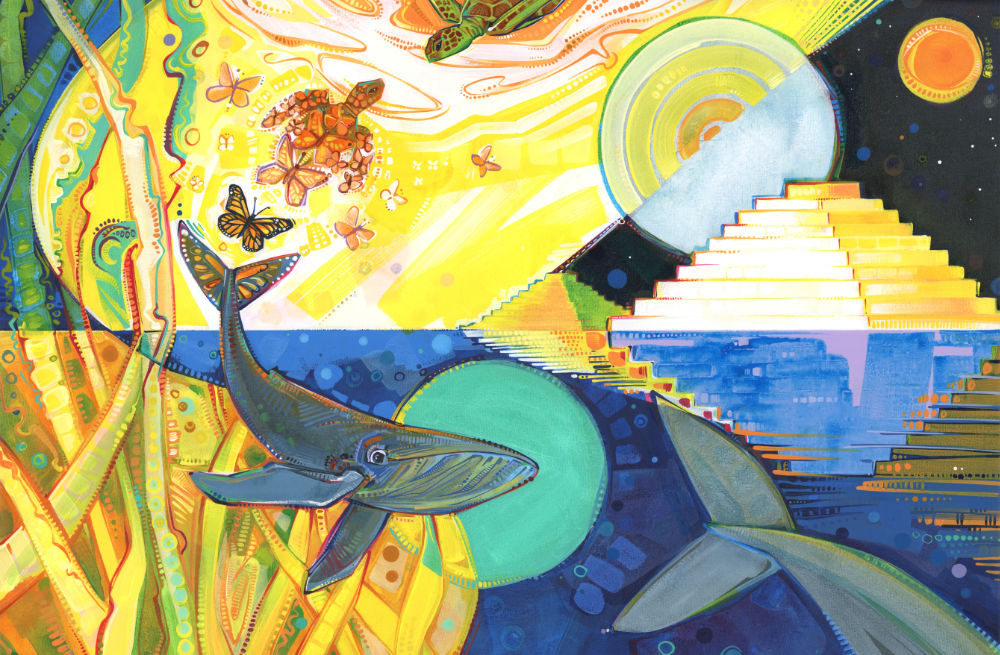
Dream Painting
Sometimes you want to capture a feeling in a painting, instead of commissioning a portrait of a person, a pet, or a home. That’s when you’re looking for a dream painting! The pricing varies depending on how complex the composition is, so please contact me for more information.
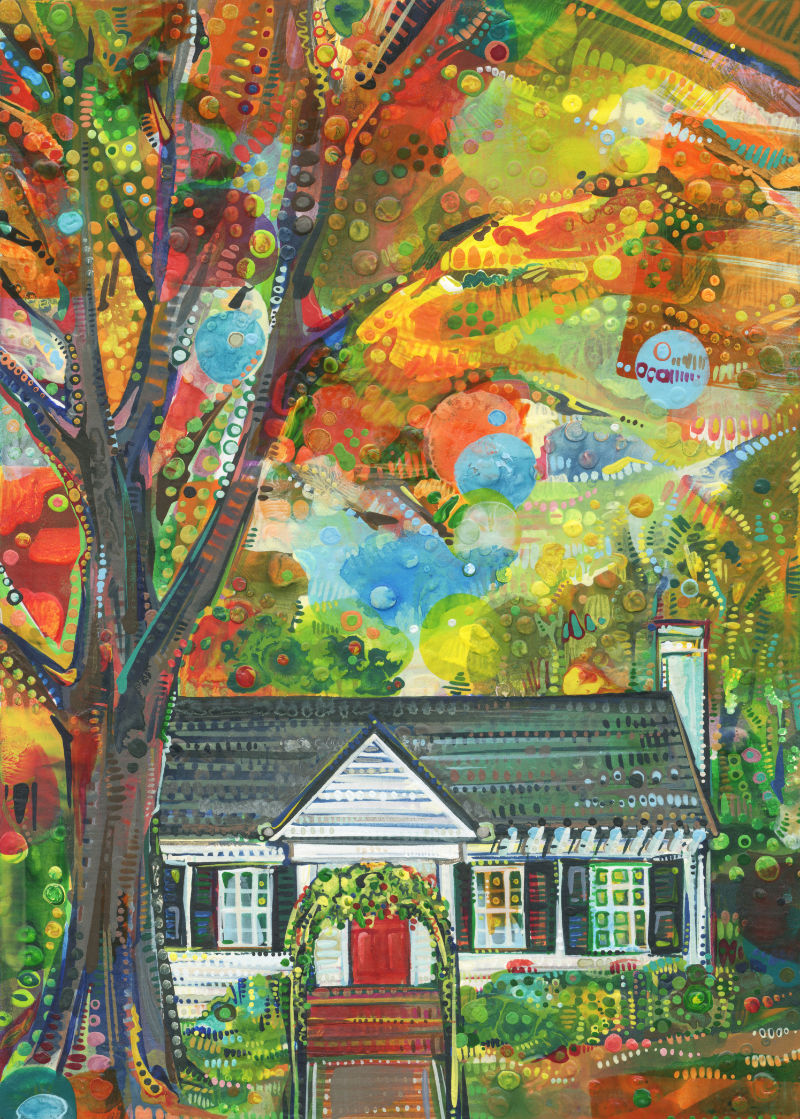
Home Portrait
I will need plenty of photos as well as an idea of the house’s personality.
4 x 4 inches: $400
10 x 10 inches: $1100
16 x 14 inches: $1500
24 x 18 inches: $2000
36 x 24 inches: $2500
Custom sizes available. Contact me.
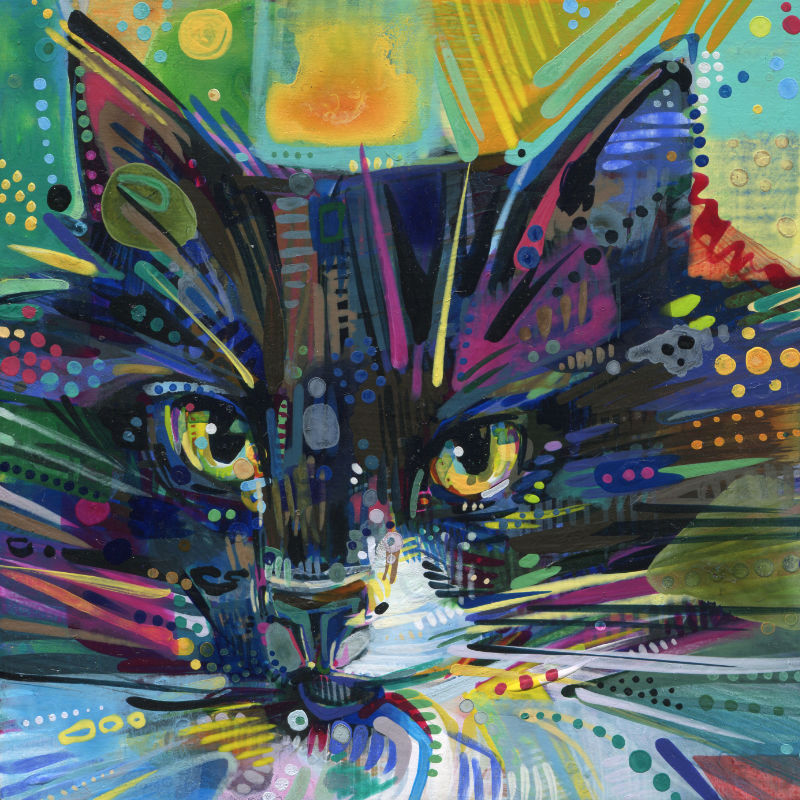
Pet Portrait
I adore painting dogs, cats, rabbits, horses, ferrets, and any other animal you love.
10 x 10 inches: $1700
16 x 14 inches: $2500
Custom sizes available. Contact me.
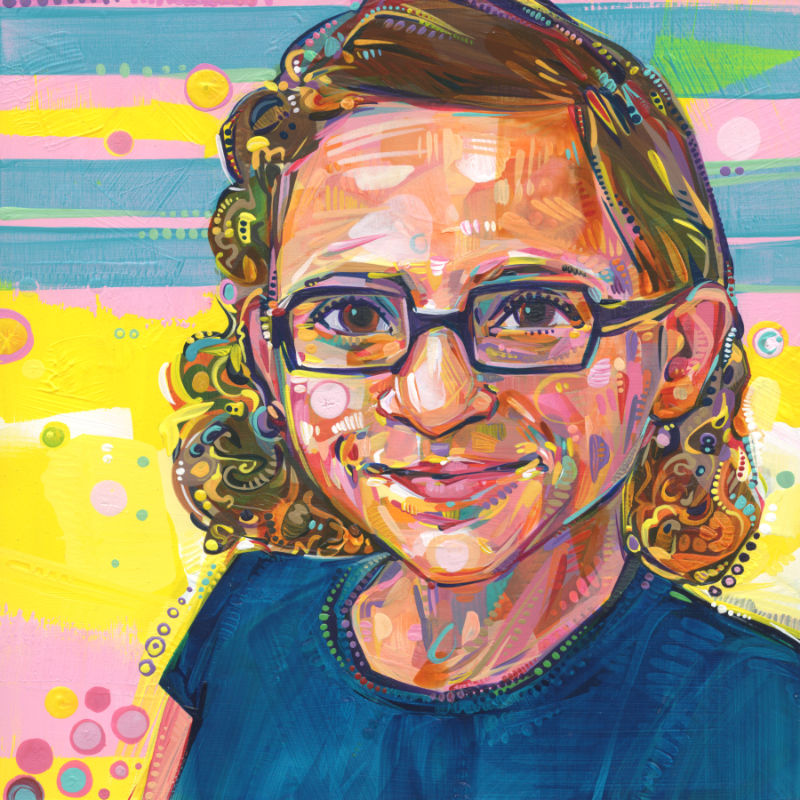
Single Portrait
To paint portraits, I need lots of photos of the subject.
7 x 5 inches: $1100
10 x 10 inches: $1700
16 x 14 inches: $2500
Custom sizes available. Contact me.
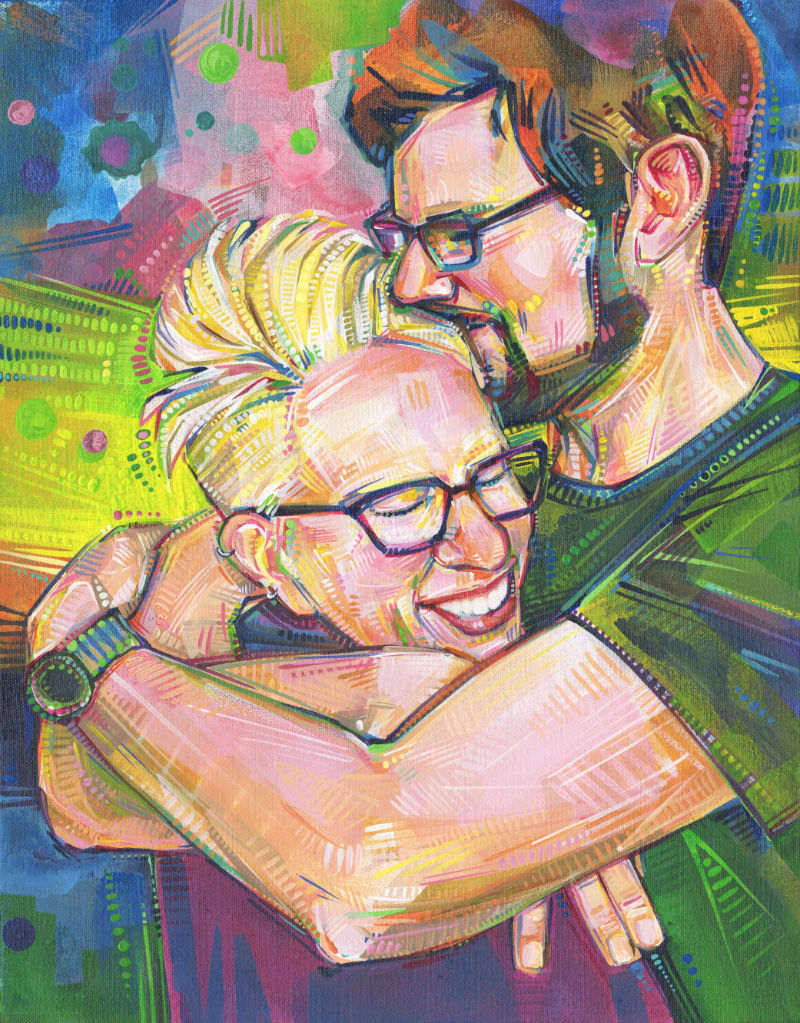
Double Portrait
Twice the people means twice the fun as we come up with the perfect composition to express the relationship between the subjects.
8 x 10 inches: $2000
18 x 18 inches: $3000
24 x 24 inches: $4000
30 x 30 inches: $4700
Custom sizes available. Contact me.
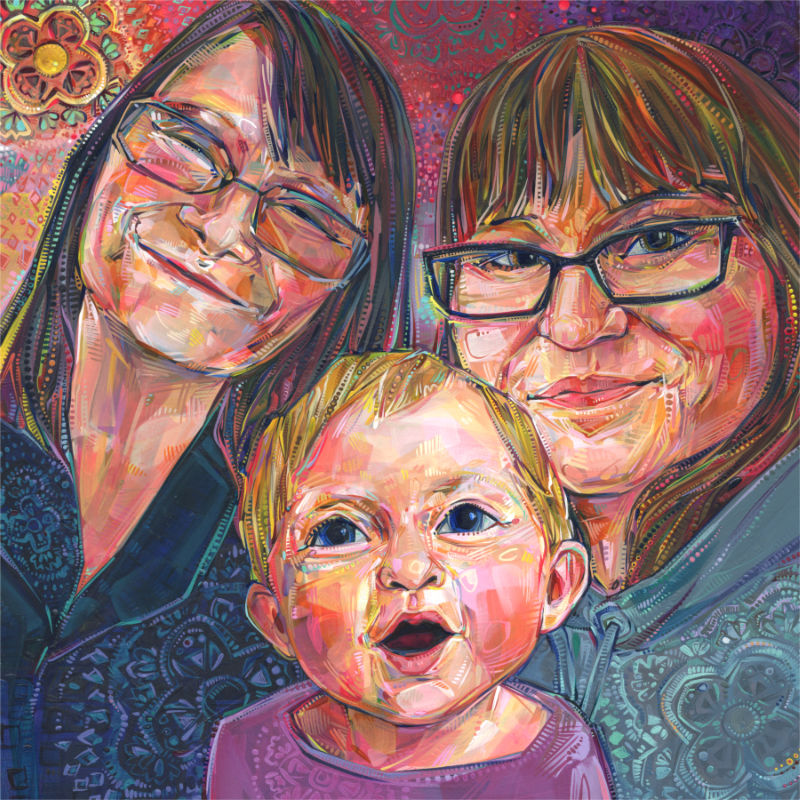
Group Portrait
Group portraits generally feature between three and five individuals, including pets.
20 x 20 inches, three people: $4000
30 x 30 inches, four people: $5600
30 x 30 inches, five people: $6200
Custom sizes available. Contact me.
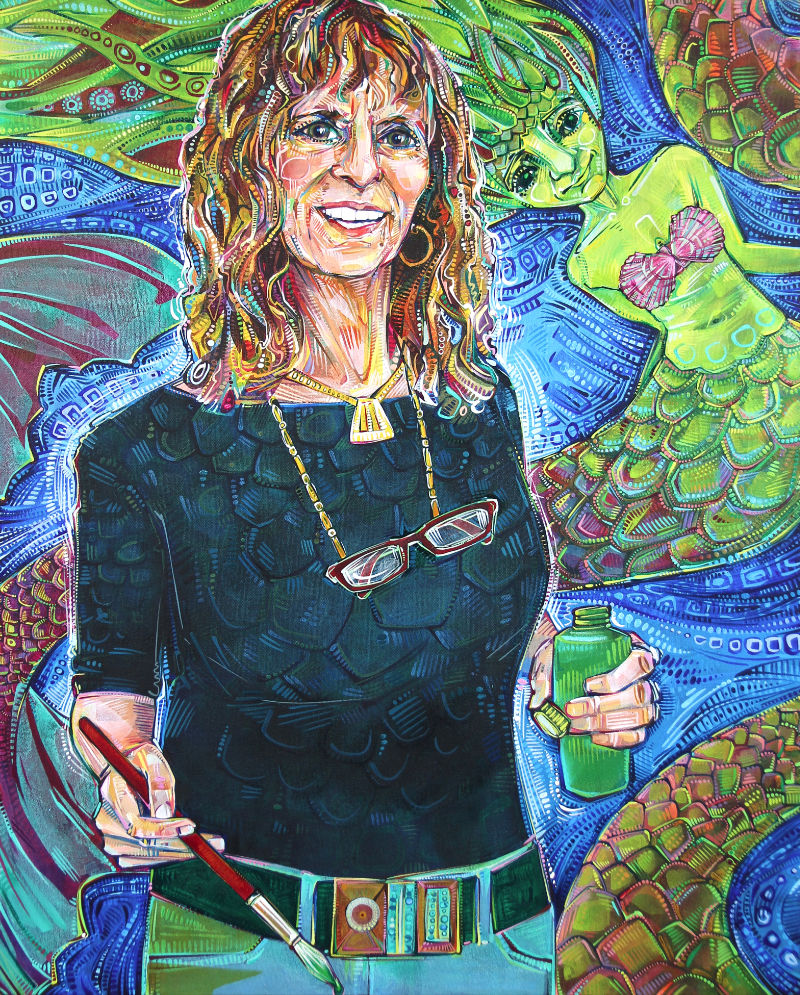
Superhero Portrait
AKA the Story Portrait! This likeness has something extra going on. Maybe it’s you in your happy place or you as your favorite animal. Maybe it’s a representation of the person you want to be. Whatever it is, this portrait shows off your special powers.
When commissioning a Superhero Portrait, add $600 to the prices listed for a single portrait.
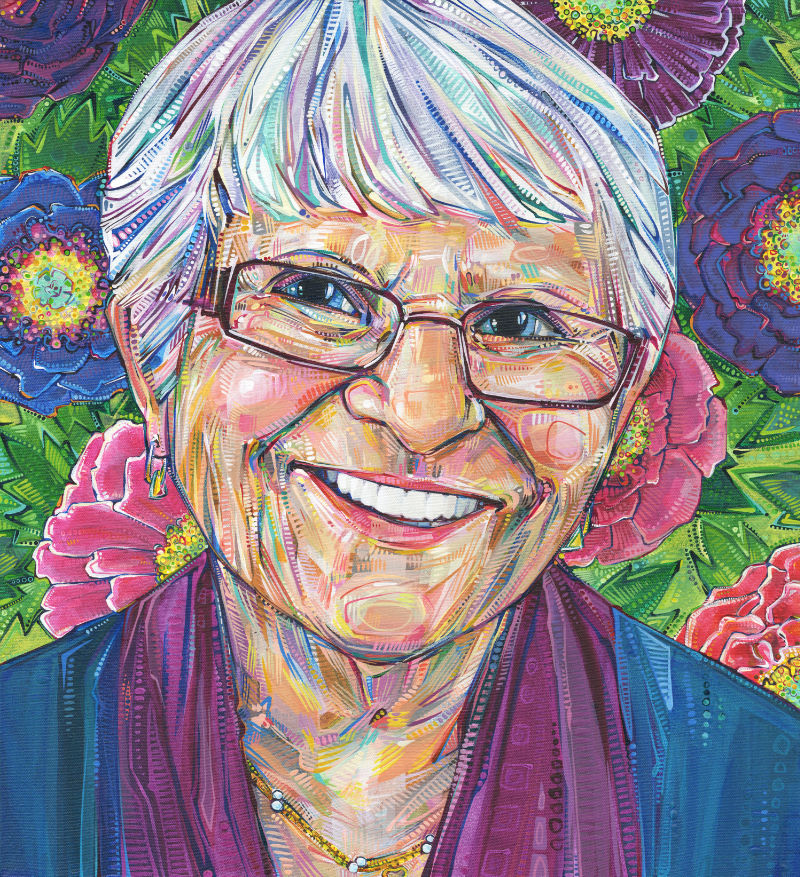
“I have goosebumps. What a truly unique and original treasure for the family. The vibrancy of the essence of Syl pops off the canvas!”
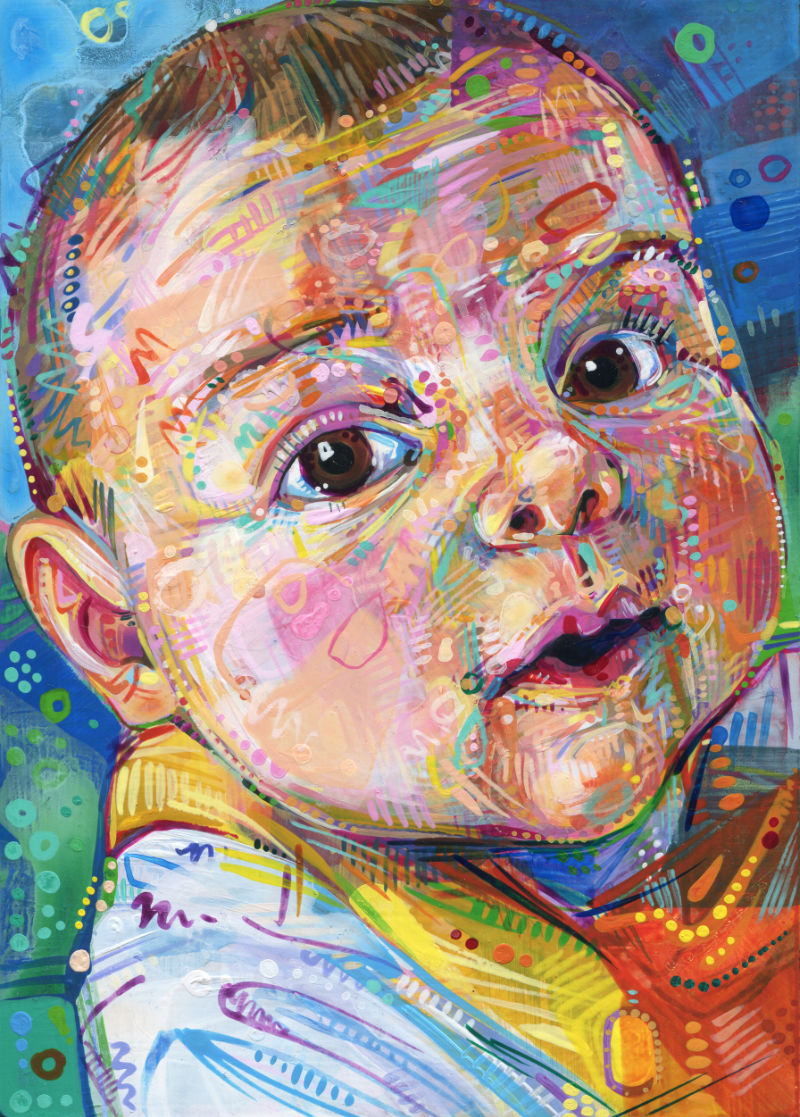
“This portrait is so amazing! ...I really feel like you nailed [my son’s] personality, which is fascinating, since at 3 months I don’t think I had a great handle on describing his personality.”
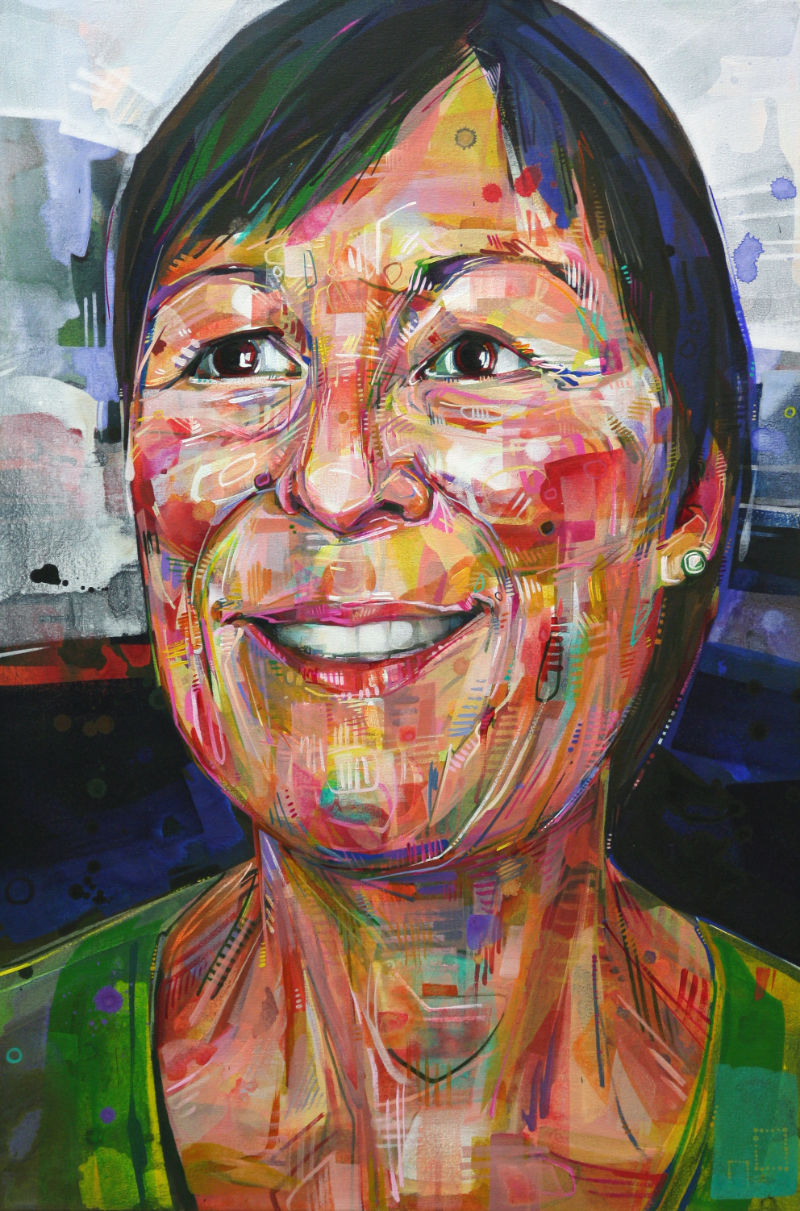
“When I saw the painting [of my mother] all I could do was cry. You managed to capture not only her physical likeness, but her spirit as well.”