Blog / 2026 / Breaking Art World Rules: Painting Portraits
March 2, 2026
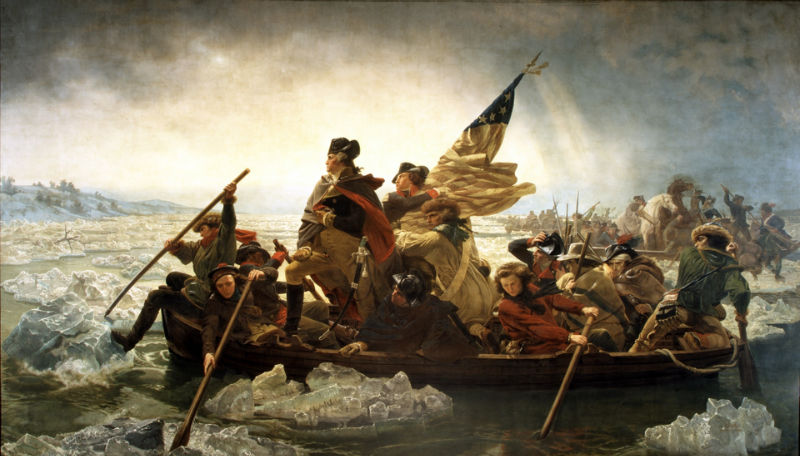
Back in the day, the art world had a clearly defined hierarchy. History paintings, like this 1851 artwork by Emmanuel Leutze, were at the top, with the logic being that this genre required the most imagination as artists needed to be able to visualize moments from the past or mythology and create compelling compositions that told a story. In this ranking, portraits came second, followed by paintings of scenes of everyday life, then landscapes, animal art, and still lives.
The hierarchy of genres was enforced by centralized art scenes in various European countries, starting in the 17th century and usually taking the form of an art academy. These institutions dictated what kind of art-making was taught, what work was exhibited, and who received royal commissions.
Originally founded as a way to elevate creativity by differentiating fine art from craft, the academies and their rules ended up harming many artists. Those who focused on genres that fell further down in the hierarchy or whose stylistic choices skewed less traditional struggled for recognition and the life-giving opportunities that come with it. Still, they found ways to work around the rules, like by establishing the original Salon des Refusés or “exhibition of rejects” in Paris in 1863. Their tenacity inaugurated a cohesive sort of resistance to art world rules that’s been emulated for over a hundred years now.
The hierarchy of genres had mostly fallen apart by the beginning of the 20th century, but today’s art world still likes to be judgy. I can excuse some of it—including the way certain people distinguish between fine art and illustration—but mostly I find it annoying. I judge the judging of one kind of art over another as snob-talk, a form of self-expression by which a person’s very big opinions become their entire personality.
To my mind, it’s never the type of art that should be dismissed or praised, but the individual artwork. For example, again and again in my 23-year career, I’ve encountered the tidy and thoroughly superficial concept:
“Portraits are dumb because all they do is show the momumental self-importance of the people depicted.”
I won’t go so far as to say that this is never true, but calling out everyone who’s ever had their portrait done as an egomaniac is obviously a generalization. Besides, it paves right over the potential for curiosity:
Why was this particular portrait painted? Why did an artist take the time to make this specific artwork?
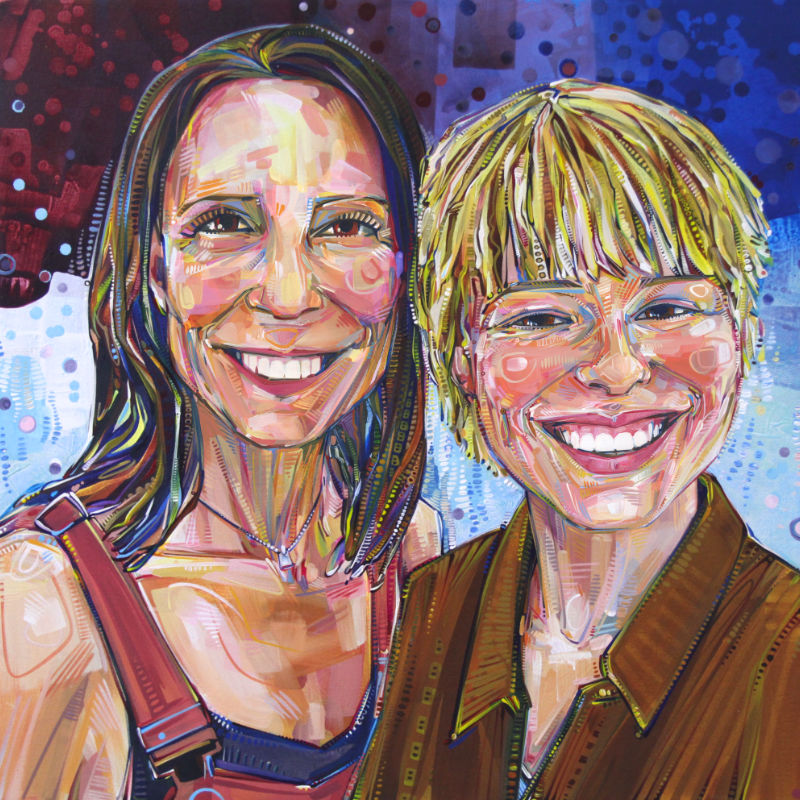

Shelda and Ry
2025
acrylic on canvas
30 x 30 inches
In this case, it’s a painting of a mother and kid whom I’ve painted a number of times already—in 2017 and 2020. The mom likes the idea of marking time as a family with art instead of just with the smartphone photos that permeate our everyday.
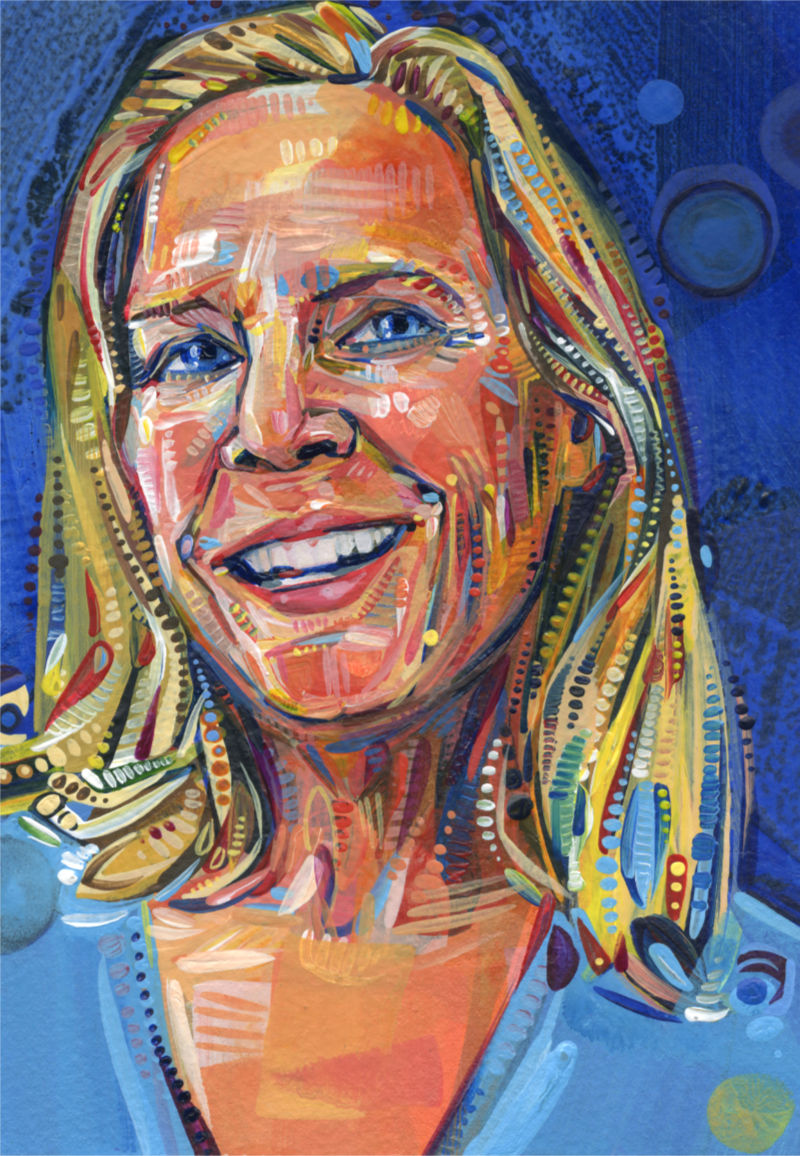
Kelly
2022
acrylic on paper
7 x 5 inches
Here, the portrait is part of a larger series that questions tech supremacy: it’s one of the paintings I made as part of my analog Facebook.
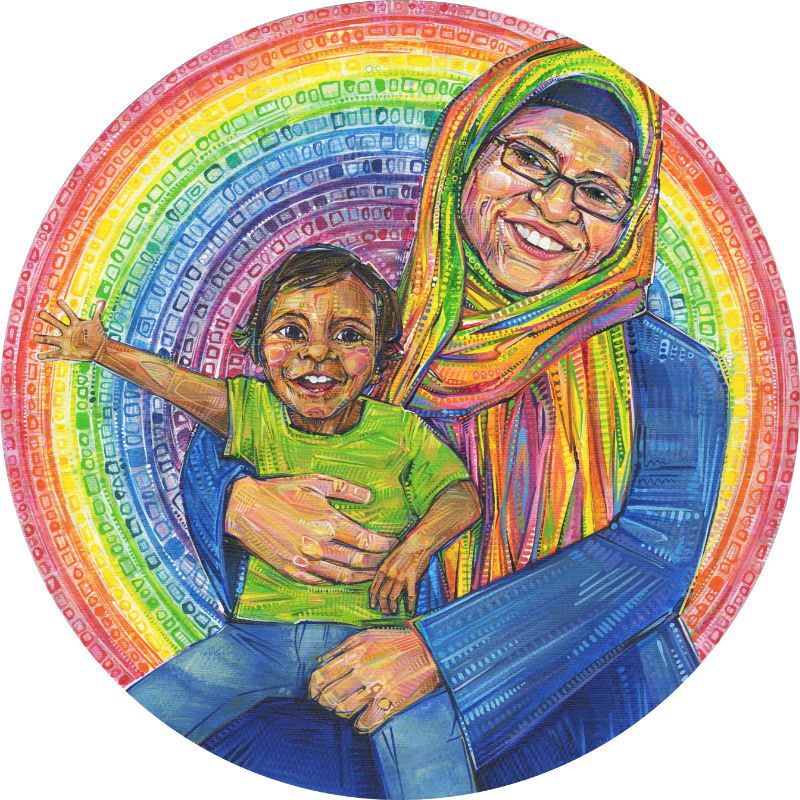
Mother and Child (Nikki and Moe Standing Out)
2017
acrylic on bird’s eye piqué
18 inches in diameter
This painting comes from a collection called Empathetic Magic, which reveals some of the ways we hide from each other as well as how we more fully express ourselves.
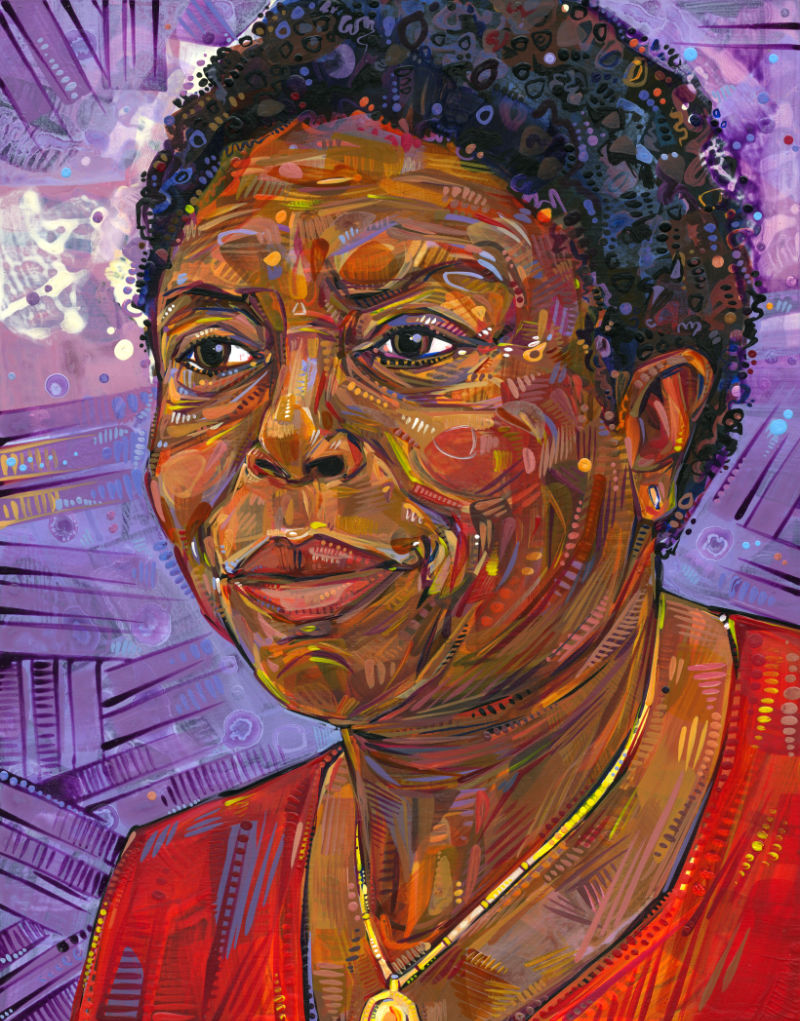
Deloris
2019
acrylic on panel
14 x 11 inches
This depiction of a labor organizer was created to be a part of a Cornell University Press book.
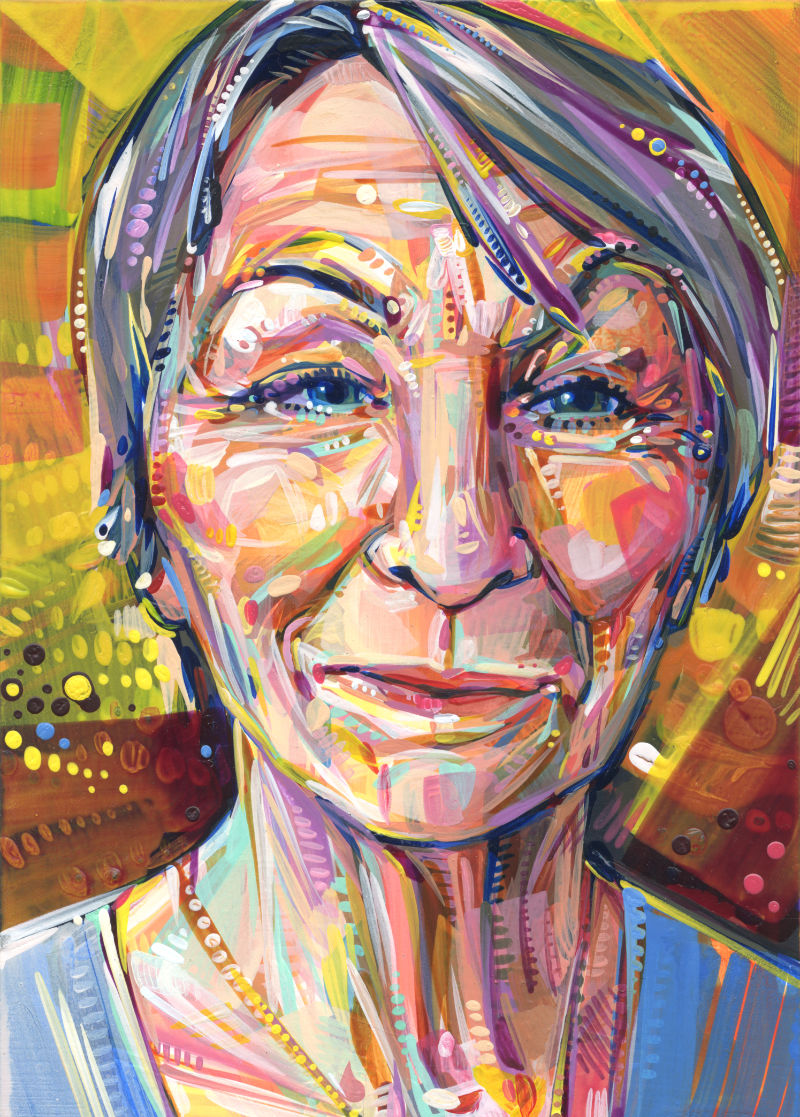
Ella Jaroszewicz (Luminous Lioness)
2021
acrylic on wood
7 x 5 inches
And this is painting I made for myself. It’s an image of the artist who most shaped who I am.
I make a lot of portraits—so many that I recently put together something of a highlights reel so that people who visit my portfolio can get a feel for how important this genre is to me without having to search through my many online galleries.
I paint portraits because it helps me support myself with my art, because I enjoy it, and because taking a moment to try to understand how others see themselves makes me feel more connected to humanity.
I make portraits even though this genre is still looked down on by many art world people, and I do so because art world rules are, at their core, pretty silly. Plus, they change based on the whims and tastes of the times, so why not break them?
This article is part of an ongoing series I’m doing about breaking art world rules by:
- Wanting to make money with art.
- Painting portraits.
- Doing commission work.
Maybe this post made you think of something you want to tell me? Or perhaps you have a question about my art? I’d love to hear from you!
To receive an email every time I publish a new article or video, sign up for my special mailing list.
If you enjoyed this post, Ko-fi allows you to donate. Every dollar you give is worth a bajillion to me!