Blog

This is where I share the story behind my work: the discoveries and the disappointments as well as the pressures and the pleasures of the creative life! Check out the top art business articles or the most popular posts about art-making.
Sign up to receive an email every time I publish something new via my weekly mailing list or Patreon!
2026
- 04/21 Planet Earth the Beautiful
- 04/13 Remaining Unflappable in the Face of AI
- 04/07 Turning Money into Love through Art
- 04/02 Painting in the Third Dimension
- 03/29 No Kingzzz
- 03/19 Painting a Portrait: From Photo-session to Finished Artwork
- 03/11 Impermanence
- 03/05 A National Symbol That Brings Me Comfort
- 03/02 Breaking Art World Rules: Painting Portraits
- 02/26 The Emotional Dysregulation of Strangers
- 02/23 What You Love Most
- 02/16 My Favorite Fellows
- 02/11 2026 New Jersey Individual Artist Fellowship
- 02/09 Breaking Art World Rules
- 01/29 Being Friendly Versus Being Friends
- 01/26 As American as Riding a Horse
- 01/19 Komar and Melamid’s Handmade Version of AI-generated Art
- 01/13 History Belongs to Us (If We Can Keep It)
- 01/01 52 Weeks of Firsts in Philadelphia

2025
- 12/17 The Most of 2025
- 12/09 The Importance of Names: Poinsettia Versus Cuetlaxochitl
- 11/24 Xmas Exception
- 11/17 Quitting Social Media: Pros and Cons for Artists
- 11/10 My New Friends
- 11/03 Getting to Know Me through My Social Media Profiles
- 10/27 What’s the Matter with Us?
- 10/21 Coloring Outside the Lines
- 10/13 Of Service
- 10/06 Mourning Papers
- 09/28 What We Owe Each Other
- 09/08 Being Part of the Courage-creating Machine
- 09/03 Web 3.0 Is AI-generated Content.
- 08/26 The Upside Down House
- 08/17 The Bias Inside Us
- 08/13 The Fantastic Mx Polka-dot
- 08/08 Artistic Reckoning
- 08/05 “How Do You Make Money with Your Art?”
- 07/28 Community-supported for 10 Years and Counting
- 07/16 Struggling
- 07/10 How James Baldwin Stood Up to the FBI
- 07/01 A Declaration about AI in My Art and on My Blog
- 06/25 The French Part of My Gender Identity
- 06/13 My Goal Is to Make You Sad (And Inspired)
- 06/05 The Time Is Now.
- 06/02 Why Juried Art Show Fees Are Wrong
- 05/29 My New Project
- 05/22 Savoring and Saving
- 05/15 “This Is William Hurt, the Actor.”
- 05/08 Portrait of Rümeysa Öztürk: Only Caring about Your Own Rights Is Exactly How You Lose Them
- 05/05 Choose Democracy
- 05/01 Celebrating the Babs Siperstein Law
- 04/24 Presidential Portraits
- 04/23 A Fish-filled Love Letter to the Future of Art
- 04/19 Portrait of Kilmar Ábrego García: An Injury to One Is an Injury to All
- 04/14 Putting Jesus and Guns in Every American School
- 04/11 This Book Won’t Burn
- 04/08 Dandelion
- 04/04 No Kings
- 04/01 Delightful Detail
- 03/17 Protector(ess)
- 03/10 Sense of Belonging (Restricted)
- 03/06 Not for Ourselves Alone Are We Born
- 03/03 Musings on Stupidity and Anti-productivity
- 02/27 How To Tell the Difference between Art and Propaganda
- 02/25 Sonder
- 02/18 Earth Tones
- 02/11 Everyday Curiosity
- 02/03 One Simple Trick for Making the World a Little Better
- 01/31 A Book about the Infinite Possibilities of Being
- 01/27 Why I Prefer Brushes to Paint Pens
- 01/22 A Female America
- 01/20 The 13th Anniversary Edition!
- 01/13 My Unpopular Opinion about Social Media
- 01/06 Listening Well
2024
- 12/30 Heart Messenger
- 12/16 Merry Feministmas!
- 12/04 Milan Art Institute’s Epic AI Error
- 12/02 Squirrel of Love
- 11/21 Bird of Courage
- 11/18 What It’s Like When You’re Not on Social Media
- 11/11 The Art of Titling Art
- 11/05 Blossoming Again
- 10/30 Wishing You a Very Papier Mâché Halloween!
- 10/26 What Do You Do to Center Yourself?
- 10/21 Pollinator Propaganda
- 10/10 Fashionpus
- 09/26 Peachy
- 09/24 Making Art about Complex Subjects
- 09/17 How to Believe in Your Art
- 09/10 You’re a Toad.
- 09/03 Can You See Time?
- 08/21 Sticking to It
- 08/12 A Series of Paintings, a Lesson Plan, and a Coloring Book about Mental Health
- 08/07 Making Hugs Special Again
- 08/01 How Social Media and AI Are Making Art Boring
- 07/16 A Mother’s Confidence
- 07/08 My Artistic Nemesis
- 07/01 The Difference between Fine Art and Illustration
- 06/24 The Alchemy of Art in a Capitalist Society
- 06/12 Social Media ≠ Community
- 06/04 Coloring in Your Feelings
- 06/03 Gwenn Seemel on Instagram Isn’t Actually Gwenn Seemel.
- 05/22 Why “They” Is the Best Gift You Can Give Me
- 05/16 Mistake #20: Failing to Appreciate My Mistakes
- 05/10 June 13th Coloring Book Social in Lambertville, New Jersey!
- 05/02 Painting Is Just Editing
- 04/22 Mistake #19: Being Afraid to Start
- 04/10 Reflecting in Community (Or What Getting Press on NJarts.net Did for Me)
- 04/08 Translated into Russian
- 04/01 And Now for Something Completely Different...
- 03/25 Happy 100th Birthday, Surrealism!
- 03/20 Mistake #18: Worrying about Cheating in Art
- 03/13 Holding onto the Happy
- 03/08 Religious Freedom and the Friends We Need Right Now
- 03/01 Mistake #17: Expecting My Creativity to Be Linear
- 02/21 Tiny Victory
- 02/19 Self Versus Self
- 02/12 Jersey Collective’s Coin-operated Sticker Club
- 02/05 Mistake #16: Getting on Social Media in the First Place
- 02/01 Mistake #15: Thinking My Positivity Would Make My Art Better
- 01/25 The Rainbow Connection
- 01/23 Walking the Information Superhighway with Jonathon Stalls
- 01/16 Mistake #14: Believing in the Big Break
- 01/08 How To Make a Press Kit for a Visual Artist
- 01/01 Today’s Symbols Enable Tomorrow’s Reality
2023
- 12/20 Mistake #13: Not Listening Enough
- 12/13 Full Circle
- 12/07 Rainbow Dye Magic
- 11/29 Mistake #12: Being Afraid of Feedback
- 11/24 Mistake #11: People Pleasing
- 11/13 Judicial Grinches and Irreligious Santas
- 11/06 Celebrating 50 Stickers and 50 Months of Gratitude!
- 11/01 Daffodil-icious
- 10/10 On Being Pronout
- 10/04 Why I Need $9000 to Make a Coloring Book and Curriculum
- 10/01 Queens and Kings of One-time Donations
- 09/28 Mistake #10: Not Asking for Help Enough
- 09/26 Regrets about Quitting Social Media?
- 09/21 A Shout-out to Messy People Everywhere
- 09/18 Infertilities, A Curation
- 09/15 “Your Work Just Speaks to My Heart.”
- 09/12 The Making of a Coloring Book Page
- 09/06 “It Seems Like Everything Should Be Fine...”
- 09/01 Help Make a Coloring Book for Mental Health!
- 08/29 Shapely and Shapeless
- 08/22 The Problem with Pristine Sketchbooks
- 08/12 Painting the Breath and Movement in a Portrait
- 08/08 Painting the Signifiers in a Portrait
- 08/03 Painting Skin in a Portrait
- 07/31 Painting the Teeth in a Portrait
- 07/30 Painting the Mouth in a Portrait
- 07/27 Painting the Eyes in a Portrait
- 07/25 Painting the Nose and Ears in a Portrait
- 07/24 Where to Start When Painting a Portrait
- 07/17 Mistake #9: Feeling Guilty about Wanting to Earn a Proper Living with My Art
- 07/06 Remembering My Papa
- 06/18 Mistake #8: Hiding My Queer Identity for Years
- 06/13 More and More Difficult
- 06/06 A Crabby Kind of Pride
- 06/01 Mistake #7: Not Realizing That People Want Me to Succeed
- 05/16 Mistake #6: Confusing Bravery with Confidence
- 05/11 Mistake #5: Blaming Myself for Being Too Nice
- 05/04 A Painting for Everyone Who’s Ever Had Trouble Following Through
- 04/27 Queerying Nature at the ACME Screening Room: My Big Screen Début!
- 04/20 Mistake #4: Worrying about Being Too Sensitive
- 04/13 The Creeping Fascism in My Town and the Depressive Donkey in My Heart
- 04/10 How to Sell Art on Instagram (The Article I Never Wrote)
- 04/03 Mistake #3: Trying to Be Like Everyone Else
- 03/27 Everything’s Fine (Because Everthing’s Not)
- 03/22 Mistake #2: Publishing Art That’s Not My Best
- 03/13 Mistake #1: Putting Off Making Changes
- 03/06 The Thing I’m Most Afraid of Talking about Publicly
- 02/26 Keeping an Eye on My Art Line
- 02/20 Painting Myself into a Corner on Purpose
- 02/13 Slow Is Smooth and Smooth Is Fast
- 02/06 Proof of Existence
- 02/01 Funny Little Circles
- 01/23 What Have You Contributed of Value Today?
- 01/17 The Only Skill You Really Need as an Artist
- 01/09 I’m a Public Library Artist.
- 01/05 Girl Reading a Letter with Cupid Looming in the Background
- 01/01 Why Human Art Will Always Be More Interesting to Us Than AI Images
2022
- 12/26 “What Do You Do All Day?”
- 12/19 Welcome to AI’s Disneyland: Eric Bourdages’ Fight for Artists
- 12/12 Winifriend the Inspirer
- 12/07 How Social Media Misleads Us (In a Marketing Sense)
- 12/03 The Value of a Good Description
- 12/01 “Are You Still Doing Your Art?”
- 11/28 The Many Faces of a Portrait
- 11/22 Where My Mind Is When I Paint
- 11/17 Because I Was So Good at Math
- 11/14 Social Media Is Dead.
- 11/10 How to Have a Successful Unconventional Art Show
- 11/03 Friend Request in French
- 10/27 Pushing the Limits of What’s Possible
- 10/24 A Wall of Wanted Posters
- 10/18 Making Special
- 10/11 Low-key Genderfree Womanish Person
- 10/04 How to Friend People When You’ve Quit Facebook and Instagram
- 09/22 The Dreaded “You Should”
- 09/15 Singing Rainbows for a Puffin Foundation Grant
- 09/08 The Breath in a Painted Portrait
- 09/01 The Secular Prosperity Gospel
- 08/29 Pride Socks Tiger T-shirt
- 08/23 The Happy Medium in Art: Neither Propaganda nor an Empty Image
- 08/16 Why I’m Quitting YouTube
- 08/09 By Comparison
- 08/02 Social Media Is Bad for Art
- 07/26 Making Art When the World Is Ending
- 07/19 Why You Might Want to Join Mastodon (Or Why I’m Happy I Did)
- 07/12 Overthinker
- 07/05 What $24 Means to Me
- 06/28 IRL > Online
- 06/22 Holding onto a Rainbow
- 06/15 “Is Gwenn Seemel a Lesbian?”
- 06/10 After Janet Sobel: On Jackson Pollock and Text-to-image AI Art
- 06/06 Every Little Thing
- 06/01 How Do You Embody Pride?
- 05/16 New York City Art and My 19th Artiversary
- 05/11 Elevating My Art Practice
- 05/07 When Art Only Makes Sense with the Help of Your Community
- 05/02 Art That Saves the World
- 04/22 Film Star for a Week
- 04/15 Catching a Cold (and a Clue) during a Pandemic
- 04/11 Celebrating Our Queer Planet and Shad Fest 2022
- 04/08 The Accidental Poetry of the Universe and Portraiture’s Powerful Extremes
- 04/05 Archaeologist of Play
- 03/30 Bleeding Heart of the Earth
- 03/25 Calling All Allies
- 03/15 Dominic Murphy’s Fecal Face and My Return to Adolescence
- 03/13 Walking this Path with You
- 03/10 The Future We Need
- 02/22 Extending Your Mind
- 02/17 32 Chews
- 02/09 Quitting Instagram and Facebook: The Perspective of 8 Artists
- 02/03 Proud of My Stripes
- 01/28 Live Painting for My Life
- 01/20 COVID’s Effect on Thinking (Even When You Haven’t Had It)
- 01/15 How to Get Over an Art Block
- 01/10 Childfree, Meatfree, Godfree, Genderfree
- 01/05 What I Learned Living Six Years in Conservative America
- 01/01 A Series Painted over Twelve Years
2021
- 12/20 Observance
- 12/16 Web Free-point-oh: NFTs, DAOs, the Value of Art, and the Cutest Kitty on the Internitty
- 12/08 Art Anxiety
- 12/06 Hi, I’m Gwenn Seemel.
- 12/01 Human Light
- 11/29 A Body of Work Taking Shape
- 11/26 Rest
- 11/21 How to Buy Art Like a Boss
- 11/17 How to Get Art Opportunities When You’re Not on Facebook and Instagram
- 11/11 Naive and Proud of It
- 11/05 What It Means to Be a Humanist Artist
- 11/01 Gift Cer-sticker-cate!
- 10/29 The Elephant in the Room
- 10/24 Artists Sunday = Planet Earth’s Funday
- 10/17 Why Artists Charge More for Custom Art
- 10/14 My Art on Handmade Karina Davis Bags
- 10/08 Mining My Favorite Insult
- 10/05 Read or Die
- 10/01 Online Open Studio All the Time
- 09/24 Uncopyright and NFTs: David Revoy’s Dream Cat-pocalypse
- 09/22 Toxic Positivity Versus Thoughtful Positivity
- 09/18 Communing with Fireflies
- 09/13 Why Artists Hate Putting a Price on Their Art
- 09/08 Always a Non-native Speaker
- 08/31 We Are All Influencers
- 08/23 How to Find and Follow Artists When You’re Not on Instagram
- 08/18 Back-to-school, Pandemic Style
- 08/13 If We’re Doing It Right, It Looks Like We’re Overreacting.
- 08/10 For the Love of Masks: A Sticker Sheet!
- 08/07 Getting Some Quality Input after a Whole Lot of Output
- 08/04 Tiger Fun and Brenda Dunn
- 07/31 Making Art More Accessible with a Simple Adjustment
- 07/27 Yearly Patronage to Make Your Budget Happy
- 07/21 Finally Ready to Let It Go
- 07/20 Getting Personal and Feeling Pride
- 07/19 A Lesson in Marketing from the Road
- 07/15 We Are All the Children of the Public Library.
- 07/03 The Only Way I Can Stop Myself from Painting
- 06/29 Diamond Painting: A New Way to Make My Art Yours
- 06/22 The Patriarchy Made Me This Way
- 06/17 Riva Lehrer and the Intensity of True Portraiture
- 05/30 Art IRL at the Princeton Public Library
- 05/28 Just Use It: A Message from Italian Street Artist Alessia Babrow
- 05/27 Venture Café Philadelphia: The Art Business Isn’t Like Any Other Business
- 05/25 Scientific Proof That an Artwork’s Success Is Arbitrary
- 05/22 Art Is Like Parsley
- 05/17 Art Mommy
- 05/16 The One Thing You Must Do When You’re Deleting Social Media
- 05/10 How Many Fans Will Make You a Real Artist?
- 05/04 Thank You for Taking Care of Yourself
- 04/29 Figuring Out Who Will Like Your Art
- 04/26 Art as Trust Exercise
- 04/20 An Artistic Kinship
- 04/13 The Long-term Effects of Censorship on Artists
- 04/09 Speaking (Online) at Venture Café Philadelphia!
- 04/05 Always Queer, Always Questioning
- 03/29 My Endo Journey: How I Got a Clean(ish) Bill of Health
- 03/23 Monthly Artistic Mail for You and the People You Love
- 03/19 The “I Got My COVID-19 Vaccine” Stickers and T-shirts
- 03/16 The Anti-Instagram Off-Facebook Update
- 03/12 Stupid Like a Geranium
- 03/07 What You Need to Be a Successful Artist
- 03/02 The Memory Card Game (But for Art)
- 02/26 Don’t Underestimate the Importance of Masks
- 02/20 What a Painted Portrait Really Says about You
- 02/17 Mirror, Mirror
- 02/11 The Good, the Bad, and the Best: Releasing Your Art from Copyright
- 02/06 Lacking Simplicity
- 02/01 GIF Gifts
- 01/20 A Perfectly COVID-19 Art Theme: Time Soup
- 01/15 #ArtsWorkersUnite #ArtsHero Letter to the Biden-Harris Administration
- 01/12 Roundup of Political Art Made during Trump’s Reign
- 01/10 Shout-out to the People Who Understand My Art
- 01/04 The Art Business Lies I Refuse to Tell (And Why I Hate the New Jersey Department of Labor)
- 01/01 Not Boring
2020
- 12/26 The Gift of Memories
- 12/21 From A to Z
- 12/14 How to Start a Patreon for Your Art
- 12/08 #LifesaversFanArt: What Is Your Favorite Part of Wearing a Mask?
- 12/01 #LifesaversFanArt: We Are the Guardians of Our Galaxy
- 11/24 #LifesaversFanArt: Send Out Some Winter Cheer, Pandemic Style!
- 11/21 Pressing Pause on My Painting Practice
- 11/17 Connecting Versus Collecting
- 11/12 Mask Giveway!
- 11/08 Where Were You When You Heard the News?
- 11/06 Public Art as Placeholder for Better Times
- 11/02 An Open Letter to Those Who Say They’ve Got Nothing to Hide
- 10/29 Canceling Facebook and Instagram without Offending People
- 10/26 Why Artists Are So Bad at Marketing Their Art
- 10/21 My Name Is...
- 10/20 #LifesaversFanArt: Why Wouldn’t You Wear a Mask to Protect Moi?
- 10/13 How Deleting Facebook and Instagram Is Changing My Art
- 10/07 What Do a Buddhist Leader, a Monster, and Three Kids Up Past Bedtime Have in Common?
- 10/05 Facebook and Instagram Cheat You Out of Your Creativity
- 09/30 Why I Am Deleting Facebook and Instagram
- 09/28 Beavers Build Ponds, Not Dams
- 09/23 The #LifesaversFanArt Campaign Is Catching On!
- 09/21 Conversations with Myself
- 09/17 Why I Am Comfortable Making #LifesaversFanArt Despite Copyright
- 09/15 Hug Your Artist Friends
- 09/11 #LifesaversFanArt: With the Novel Coronavirus Comes Great Responsibility
- 09/10 #LifesaversFanArt: Don’t Pik-achoo on Pika-me
- 09/09 #LifesaversFanArt: How Far I’ll Go to Keep You Safe
- 09/08 #LifesaversFanArt: SpongeBob SafetyPants
- 09/07 #LifesaversFanArt: Social Distancing, Frozen Style
- 09/06 #LifesaversFanArt: Wear a Mask, You Must
- 09/05 As Neat as a Pin
- 09/03 The Raven, the Elephant, and Mixed Media
- 08/28 Fan Art and Patreon Palooza
- 08/27 Super Affordable Prints
- 08/21 How Do You Occur in the World?
- 08/18 The Not-so-secret But Still Very Special Deals on My Art through Patreon
- 08/14 Your Worth Is Not Determined by How Much Money You Make
- 08/10 The Ultimate Proof That We Are Amazing at Working Together
- 08/04 The Thoughtful Rule-follower in Me Acknowledges the Thoughtful Rule-follower in You
- 08/02 Do You Believe in Xylophrogs?
- 07/30 Being a Slow Art Maker in a World Moving at the Speed of Memes
- 07/23 Getting Started without Knowing How You’ll Finish
- 07/16 Making Art while Everything Falls Apart
- 07/14 Virtual Party for Baby Sees ABCs!
- 07/11 A Most Artistic Baby Name Book
- 07/07 Baby Sees Book Club
- 06/30 Why We Should All Be More Queer
- 06/19 I Want to Celebrate
- 06/18 Half Dead
- 06/14 For Your Safety, Because Pandemic
- 06/08 Lacking Patience
- 06/04 A Rainbow American Flag
- 06/01 Why I Painted 676 First Names
- 05/25 Gratitude for the Me Who Got Distracted
- 05/19 Doing the Thing I Said I’d Never Do
- 05/16 How to Love Your Art #17: Define the Word “Love”
- 05/09 Chasing Joy
- 05/04 How to Love Your Art #16: Celebrate It
- 05/01 How to Love Your Art #15: Introduce It to All Your Favorite People
- 04/26 How to Love Your Art #14: Don’t Let Jerks Near It
- 04/23 How to Love Your Art #13: Don’t Claim the Copyright on Your Work
- 04/20 How to Love Your Art #12: Take a Break from It Now and Again
- 04/16 My First Food Art
- 04/13 How to Love Your Art #11: Charge a Lot of Money for It
- 04/08 How to Love Your Art #10: Give It Away
- 04/05 The Snake Philosopher and the Madness of Meaning
- 03/30 Sexual Assault on Zoom and a Not-so-live Studio Tour
- 03/28 Art in a Time of Mass Suffering
- 03/25 For the Love of Stickers
- 03/23 How to Love Your Art #9: Inventory Your Pieces
- 03/20 Artists and COVID-19: One Way to Keep Your Career on Track
- 03/16 How to Love Your Art #8: Document Your Work
- 03/13 Touching Elbows
- 03/09 How to Love Your Art #7: Play with Your Self-expression Versus Communication Ratio
- 03/02 How to Love Your Art #6: Decide on What’s Right and Wrong in Your Art
- 02/24 Understanding the Artist Behind the Work You Love
- 02/20 How to Love Your Art #5: Figure Out What Worries You Most
- 02/17 How to Love Your Art #4: Determine What Parts of It Make You Happy
- 02/13 Making Space for Reconciliation: Kate Powell’s Celebration of a Brand She Adores
- 02/10 How to Love Your Art #3: Talk about It
- 02/07 All Press Is NOT Good Press.
- 02/03 How to Love Your Art #2: Learn to Appreciate Other Artists’ Work
- 01/27 How to Love Your Art #1: Identify Art That You Find Boring
- 01/20 Why I’d Like to Have a Lot of Money
- 01/13 Reaching for Something More with My Jellyfish Tendrils
- 01/09 Being Inspired Instead of Jealous
- 01/06 Know Her Name
- 01/01 An Exquisite Tension
2019
- 12/23 Celebrating a Decade
- 12/16 Shout-out to the Kids with “Weird” Names
- 12/09 “Put Your Art Out on the Sidewalk to Sell It.”
- 12/02 Report from the Social Media Afterlife
- 11/29 Looking Closely at Art
- 11/25 Literacy = Love
- 11/18 My Alphabet Starts with U
- 11/14 Free Frida: The Case of Nina Shope and Frida Kahlo Corporation
- 11/11 A Picture Is Worth a Thousand Words
- 11/07 My Understory
- 10/30 Translated into Italian
- 10/28 Consumers ≠ My Audience
- 10/21 A-B-C 1-2-3: The First Steps in My New Body of Work
- 10/17 Making Art Whole
- 10/14 The Gentle Client
- 10/10 End Times Ideation and Our Collective Potential
- 10/07 The Calm before the Creative Storm
- 09/30 Goodbye Social Media (For a While Anyway)
- 09/23 What I Learned Running a Kickstarter Campaign
- 09/18 The Not-So-Lonely Artist
- 09/16 Making Portrait Drawing a Little Easier
- 09/09 Sticker Collector Club: The Coccyx
- 09/07 Ethical Consumers and Independent Artists
- 09/05 You Are (Not) the Center of the Universe.
- 09/03 The Inspiration Behind My Animal Alphabet Book Collaboration
- 09/02 What Pleases Me about Figurative Art
- 08/31 On Being a Childfree Artist Who Is Making Art for Children
- 08/28 Why I Need $9000 to Create an Animal Alphabet Book
- 08/26 When You Are Already Bright
- 08/25 A Good Deal on Originals
- 08/22 Animal ABC Book Collaboration: Embedding First Names in Art
- 08/20 Precious
- 08/19 The Kickstarter for Our Animal Alphabet Book Collaboration!
- 08/14 Sticker Collector Club: Fairy Hands!
- 08/12 Please Stop Apologizing for Your Art
- 07/29 A New Kind of Series
- 07/25 I Have Beheld the Promised Land for Artists, and It Is Not the United States of America.
- 07/22 How Art Lovers Can Help Fix Art World Inequalities
- 07/17 A Small But Meaningful Gesture
- 07/14 Painting a Black Person’s Portrait Versus Painting a White Person’s
- 07/11 You Repeat Others More Than You Think, So Please Repeat Thoughtfully.
- 07/10 Join My New Sticker Collector Club!
- 07/08 Working from Photos to Paint Portraits
- 07/01 The 2 Kinds of Art Patron
- 06/26 Why Artists Rip Each Other Off (And How We Can Stop Them)
- 06/24 How to Take Care of an Acrylic Painting
- 06/17 Smearing Pigments
- 06/12 Tips for Painting Portraits from Other People’s Photos
- 06/10 Wedding Portrait!
- 06/07 Name That Copyright Violation: Celebrity Portraiture Edition
- 06/04 Responding to an Imitation of Your Art: Amy Constantineau and the Case of the Double Llama
- 06/01 Let’s Play “Name That Copyright Violation”
- 05/31 It’s Working
- 05/27 #FixRedbubble
- 05/20 2 Methods for Dealing with People Who Rip Off Your Artwork: “Threaten and Tell” Versus “Kiss and Tell”
- 05/16 My Non-artist Résumé
- 05/15 Dear Redbubble: You Do Not Understand Copyright.
- 05/13 Why Do You Make Art?
- 05/06 Job with Justice Travel Log, Part 5
- 05/01 Why Artists Should Be Paid Every Time They Exhibit
- 04/29 Civic Sharing (And a Livestream about the Behind-the-scenes of My Art Appearing in Newsweek)
- 04/28 Job with Justice Travel Log, Part 4
- 04/24 The Window Character in a Series of Paintings
- 04/21 3 Good Things
- 04/18 How Many Childfree People Do You Know?
- 04/16 On Being an Art-making Grownup in a Child’s Life
- 04/15 Rabbitosaurus Regina
- 04/13 The Hello Kitty President Is Back on Display.
- 04/09 April Openings!
- 04/08 Job with Justice Travel Log, Part 3
- 04/02 What I Have In Common with the People Who Hate My Art
- 04/01 Special Sale: Queen of the Sky (Bald Eagle)
- 03/28 Job with Justice Travel Log, Part 2
- 03/25 Auction: Sensitive (Jerboa)
- 03/20 Job with Justice Travel Log, Part 1
- 03/18 Pay What You Will: Queer Queen
- 03/15 3 April Shows!
- 03/14 Dear Copyright: I Still Hate You.
- 03/11 Us Too
- 03/06 A Job with Justice
- 03/04 Magic IRL
- 02/24 Appreciating the Villains in Your Life
- 02/18 How to Turn One Dollar into a Bajillion Dollars
- 02/13 The Relationship between Choice, Freedom, and Privacy
- 02/11 Solastalgia
- 02/07 Why Artists Should Accept Charity
- 02/04 A Different Perspective
- 01/29 Perfect Portrait Subject: Sylvia
- 01/23 Perfect Portrait Subject: Caitlin
- 01/20 Perfect Portrait Subject: Katie
- 01/16 Precious Portraits
- 01/14 Unraveling
- 01/10 Pop-up Paywalls Versus Donation Doors
- 01/08 How to Overcome the Idiocy of Algorithms
- 01/03 Peeling Back the Layers
- 01/01 An Inscrutable, Intense, Infectious Joy
2018
- 12/26 They Really Don’t Care
- 12/15 Gwenn Seemel Facts
- 12/08 The Middle Class Art Market
- 12/06 Repeat Face-lenders Program
- 11/28 What to Do When Your Art Is Rejected
- 11/25 New Site!
- 11/21 Caring Less about What Others Think
- 11/19 Living Gratefully
- 11/12 Pensive Pansy
- 11/05 Beginning Again
- 10/29 Flower Art Therapy
- 10/15 Picked
- 10/09 Another Seemel Photo Filter
- 10/01 Magical Doors
- 09/23 Beauty and Human Understanding
- 09/18 Special Offer for the Lenwoods in My Life!
- 09/17 How to Stay Creative
- 09/02 Community Is at the Core of Everything We Do.
- 08/27 My Artist Comb
- 08/21 The Tally
- 08/06 The Math in Art
- 08/03 Believing in Yourself
- 07/26 Painting without Planning
- 07/23 Preparing for Public Art in DC
- 07/19 Writers’ Group
- 07/16 The Power of Repeating Yourself
- 07/09 Painting Babies
- 07/02 Artists Who Work for Universities
- 06/29 Every Person’s Portrait
- 06/18 Congratulations!
- 06/11 Being a Jerboa
- 06/07 Not Like Any Other Business
- 06/04 Rage Drawings
- 05/30 How to Free Your Art from Copyright
- 05/22 Dear Diary #7: Make Them Love You or Hate You
- 05/21 Dear Diary #6: My First Business Lesson
- 05/20 Dear Diary #5: Feedback for My First Show
- 05/19 Dear Diary #4: When Your Friend Likes Bad Art
- 05/18 Dear Diary #3: Perfectionism and Self-confidence
- 05/17 Dear Diary #2: Comparing Yourself to Another Artist
- 05/16 Dear Diary #1: Thoughts of a Baby Artist
- 05/14 Artists Are Magical.
- 05/07 I Am Not Independently Wealthy.
- 04/30 How to Know If You Copied Too Much
- 04/23 Feeling the Harmonies
- 04/16 The Song in Your Heart
- 04/11 “The People Who Don’t Get It Can Catch Up.”
- 04/09 Thanking Artists Who Inspire Me
- 04/02 Why Artists Need So Much Validation
- 03/28 The Tip of the Iceberg
- 03/24 American Ritual
- 03/19 Crosshatch Painting
- 03/12 The Success of Mediocre Art
- 03/05 Everybody Else Has It Easier.
- 02/26 Painting in a Traditional Realist Style Is Like Doing a Cover Song.
- 02/17 10 Years of Blogging
- 02/15 The Mistranslation of the Little Prince
- 02/12 Randomness
- 02/08 A Brilliant Letter
- 02/05 How Do You Make So Much Art?
- 02/01 Someone Left Their Hand on My Lap.
- 01/29 Jealous of Another Artist’s Career
- 01/22 My Complicated Rainbow Heart
- 01/19 Drawing a Cobra
- 01/18 Living Simply Is Part of Being a Full-time Artist.
- 01/08 Painting Bugs
- 01/02 All Art Is Political.
2017
- 12/26 My Hope
- 12/18 Painting the Naïveté of Men
- 12/14 Artists Who Don’t Want to Get Screwed by Companies
- 12/11 A PechaKucha Talk on Queer Art and Christian Supremacy
- 12/04 The Point of Activism
- 11/27 When Making a Gift of Your Art
- 11/20 Makeup Tutorial
- 11/18 The Best Dog in the Whole World
- 11/16 How Regular Microdonations to Artists Can Save the World
- 11/13 What Liking Art Means
- 11/08 Hello Kitty President
- 11/06 Don’t Forget
- 10/30 How to Start Promoting Your Art
- 10/23 The Grid Method for Transferring an Image
- 10/17 Me Too
- 10/16 How to Avoid Art Scams
- 10/12 Arty Items on Redbubble
- 10/09 Self-confidence as an Artist
- 09/28 Rules That Aren’t Laws
- 09/25 Antiracist Artist
- 09/18 Sunsets and Sunset Painters
- 09/11 Why People Commission Portraits
- 09/06 I Won’t Shut Up.
- 09/04 Important Artists and Self-important Ones
- 08/31 Drawing a Butterfly
- 08/28 This Is Your Brain on Affirmative Action.
- 08/24 Choosing between the Self-taught Route and Art School
- 08/21 The Rejected Artist
- 08/19 Angry Art
- 08/14 The Fine Art of Burning Bridges
- 08/13 Joyful Serenity
- 08/07 Seeing You, Seeing Me
- 08/03 All the Ways Artists Spend Money
- 07/31 How to Commission an Artist
- 07/27 Most People Don’t Want You to Fail in Your Art Career.
- 07/24 Are You Qualified to Be an Artist?
- 07/17 Inspiration for a Body of Work
- 07/12 Treating Endometriosis: Navigating the Doctor’s Ego
- 07/11 Among the Living and the Dead
- 07/10 Being Treated Like a Stranger
- 07/03 Studio Family
- 06/28 Round Paintings
- 06/22 Promoting Your Art Effectively
- 06/19 Drawing a Hawk
- 06/14 IRL Opening + Online Opening!
- 06/12 Surprise Portrait
- 06/07 Every Person Is a Work of Art.
- 05/29 Observation, Beauty, Imagination, and Why
- 05/25 Knowing Who You Are
- 05/22 Activism That Changes the World
- 05/18 Drawing a Rabbit
- 05/17 You Make a Difference.
- 05/15 Artists Shouldn’t Work for Free.
- 05/12 How Artists Decide What to Sell and What to Give Away
- 05/07 On Religion
- 05/04 Drawing Frida, the Bear, and the Television
- 05/01 Another Little Artist Secret
- 04/28 Being an Ally Is Scary.
- 04/27 Drawing Year
- 04/24 Respect Is Not a Scarce Resource.
- 04/20 Reuse
- 04/17 Why I Say “Fat”
- 04/06 Patreon and Supporting Artists on a Monthly Basis
- 04/03 Digging In
- 03/29 A Good Art Marketer Knows How to Listen
- 03/27 A Little Artist Secret
- 03/20 What I Want from Artists
- 03/06 Reading Books
- 02/13 Understanding Inspiration
- 01/26 My Heart Is Full of Rainbows.
- 01/23 Chicken Confidence
- 01/15 The Gwenn Seemel Photo Filter
- 01/09 A Successful Artwork
- 01/08 Why People Wear Makeup
- 01/05 How To Tune Out Useless Comments
- 01/02 I Am Queer.
2016
- 12/26 Being Like a Dog
- 12/22 Flitting
- 12/19 This Is How It Was.
- 12/12 Free Speech
- 12/05 Making It Automatic
- 12/01 Advice for Artists
- 11/30 How Much Is This Going to Cost Me?
- 11/21 Stopping Racist or Sexist Behavior
- 11/17 “It Is the Time You Have Wasted on Your Rose...”
- 11/15 Being a Partner
- 11/14 Compliments
- 11/12 It’s Because of You.
- 11/09 On Misogyny and Free Speech
- 11/08 Knowing What You Don’t Know
- 11/07 Enjoy the Silence.
- 11/03 Beautiful Belgium
- 11/01 How to Keep On Keeping On
- 10/31 Orthographic Projection
- 10/26 Daily Rituals
- 10/17 Creative Time
- 10/13 What to Do When Gatekeepers Are Biased (And Why I Don’t Write for Professional Artist Magazine Anymore)
- 10/08 In Belgium and in a Book
- 10/05 Prints on Redbubble
- 09/29 Irreversible
- 09/26 Shipping a Painting
- 09/19 In the Details
- 09/14 Repeater
- 09/12 Building the Ideal Studio
- 09/08 Sitckers!
- 09/05 From Childless to Childfree
- 09/01 Respect and Communication after Discrimination
- 08/29 The Professional Artist and the Hobbyist
- 08/25 Marketing Your Art and Sucking Up
- 08/22 Werewolf
- 08/18 Interpretation
- 08/16 No Thank You, Pessimism.
- 08/15 Bringing the Revolution
- 08/09 This Is What Discrimination Looks Like Sometimes.
- 08/08 The Link between Beauty and Death
- 08/05 Is Fan Art Real Art?
- 08/04 “You Think Too Much.”
- 08/01 A Portrait of Superstorm Sandy
- 07/28 Taking Flight
- 07/25 Doing What’s Best for Your Art
- 07/21 Making Money by Making Portraits
- 07/18 Painted Poetry
- 07/13 Celebrity Portraiture Is Boring.
- 07/11 Hurting an Artist
- 07/06 The Art Business Isn’t Like Any Other Business.
- 07/01 On Loving Amateur Artists and Staying One Yourself
- 06/27 Cleaning Up Your Art Documentation
- 06/23 Self-deprecating Humor
- 06/22 The Magic of Regular Microdonations to Artists
- 06/19 Happy Father’s Day
- 06/13 Painting and Photography
- 06/10 Painting Matt Burton
- 06/06 Mirroring and Repeating
- 05/29 An Animal
- 05/25 Defying Goliath
- 05/23 First Surf City Artwork
- 05/19 Jersey Girl
- 05/17 Sheree Keys and the Global Artist Academy: A Conversation about Pay-to-play Promotion
- 05/16 All the Ways That Artists Make Money
- 05/12 Being a Person before a Portraitist
- 05/09 Stress Is Good for the Animals.
- 05/02 Paint Layers
- 04/28 An Ontmoeting between MC Escher and Me
- 04/25 Unable to Talk about Art
- 04/20 Painting Portraits on Tote Bags
- 04/14 The Artist’s Vulnerability
- 04/11 The Problem of MORE
- 04/07 An Artist Instead of a Graphic Designer
- 04/04 How to Be the Perfect Artist
- 03/30 Art Is Not a Luxury.
- 03/28 Giving Advice
- 03/24 The Big Break Is a Myth.
- 03/23 Can You Trust Your Gynecologist to Treat Your Endometriosis?
- 03/21 Pastel Pretty
- 03/17 Complicated Kitties
- 03/14 Do Artists Need a Day Job?
- 03/09 On David Bowie, Fan Art, and Companies Killing Creativity
- 03/07 Not Everybody Loves You.
- 03/03 When an Art Writer Wants to Write about Your Art
- 02/29 How the Sausage Is Made
- 02/22 How to Do an Artist Talk
- 02/11 The Price of Being an Artist
- 02/09 Intuition
- 02/01 Targeted Art and Targeted Marketing
- 01/25 Monetizing Your Blog: Advertising Versus Patreon
- 01/18 The Portraitist’s Invisibility
- 01/11 Respecting Artists
- 01/06 Extraordinary Enough
2015
- 12/30 Bad People and Good People
- 12/28 On VAGA, Copyright, and What Motivates Humans
- 12/19 Grandmotherly
- 12/14 Uncopyrighting Art and Licensing It to Companies
- 12/04 What’s Been Going On
- 11/27 Finger Painting
- 11/19 Multicultural Mum
- 11/17 Old Portland, New Portland
- 11/16 Friendship
- 11/09 Skin Tone in Painted Portraits
- 11/06 What Is Your Ultimate Goal with Your Art?
- 11/04 The Tough Little House
- 10/26 Are All Artists Just Pretending?
- 10/19 How Uncopyrighting Your Art Can Help You to See People More Clearly
- 10/15 I’ll Tell You Something That Makes Me Unhappy about My Body...
- 10/12 House Portraits
- 10/09 Making Art Happen
- 10/05 What’s Next?
- 10/02 My Female Colleagues Like It When I Call Them “Girls.”
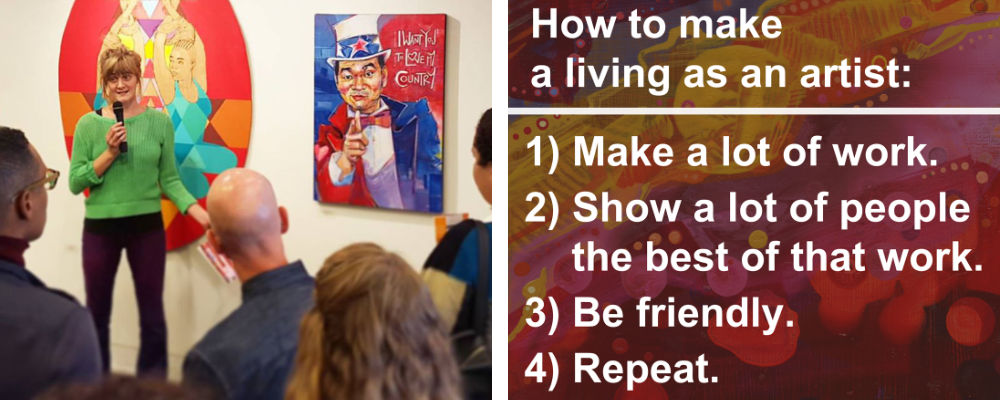
- 10/01 How to Make a Living as an Artist
- 09/28 Why I Don’t Use Ads
- 09/17 TED’s Copyright
- 09/14 How to Do a Conference Talk as an Artist
- 09/11 My Last Portland Painting
- 09/07 Free Online Drawing Workshop for Artists and Amateurs
- 09/03 Roar
- 08/31 Repeating
- 08/26 Free Yourself!
- 08/20 A Jay for J
- 08/17 My New Studio
- 08/12 The Full Figure
- 08/03 Abstraction
- 07/20 The Teacher Who Never Taught Me
- 07/13 Tracing
- 07/06 Living Artists Giving to the Public Domain
- 06/29 In the Garden
- 06/24 How to Get an Honest Critique of Your Art
- 06/22 The Legacy of Mayor Charlie Hales
- 06/18 How to Love Your Art (and Yourself)
- 06/15 The Artist’s Path
- 06/08 Seventh Generation
- 06/04 Drawing and the Artist’s Hand
- 06/01 Meeting
- 05/27 Open Discussions and Public Shaming
- 05/25 Dire “Please” en Franglais
- 05/11 Questioning Your Paradigms
- 05/07 Accepting Donations as an Artist
- 05/04 Evolving in Public
- 04/27 How to Love Artists
- 04/23 Selling Art to Strangers Online
- 04/20 Getting Out
- 04/16 Happy Paywalls with Bob Ross
- 04/13 Painting Fictional People
- 04/08 Watching and Acting
- 04/06 Why Portraiture
- 04/02 Just a Visual Artist
- 03/30 Self-expression and Communication
- 03/26 A Letter to Copyright Warriors
- 03/24 Givens
- 03/18 Treating Endometriosis: Physical Therapy and Squatting
- 03/16 The Good Thing about Mistakes
- 03/09 Superhero
- 03/05 Treating Endometriosis: a Gluten-free Diet
- 03/02 Forgetting the Name
- 02/26 7 Reasons to Try Being an Artist
- 02/23 Commission Work and How to Define Boundaries
- 02/19 Please Help
- 02/13 The Antidote to Fear
- 02/09 The Third Peak
- 02/05 The “He” Problem
- 02/02 Handprints and Circles
- 01/29 6 Steps to Freeing Yourself and Your Art
- 01/26 Inside the Artist’s Soul
- 01/22 Being My Own Art Historian
- 01/19 Original or Special
- 01/12 The Psychology of Self-portraiture
- 01/08 I Haven’t Changed a Bit.
- 01/05 Together
- 01/02 Painting My Favorite Puppy
2014
- 12/30 Artist Dean Russo in My Inbox
- 12/22 Piglets and Mudita
- 12/16 Taking and Sharing Process Photos
- 12/14 Say What You Mean with Regards to Image Use
- 11/17 What the Artist Adrienne Lewis Did for Me
- 11/10 Affordable
- 10/27 The Big Break
- 10/23 Doing “the Gwenn Seemel”
- 10/06 The Freelance Life
- 10/01 7 Lessons Learned while Doing Public Art Through the Regional Arts and Culture Council in Portland, Oregon
- 09/24 When the Regional Arts and Culture Council Lied
- 09/23 Craving Credit
- 09/16 The Copywrong in My Own Backyard
- 09/15 A Work’s Genealogy: Milt Kobayashi’s Influence on Nancy Rhodes Harper
- 09/12 You Made Me.
- 09/10 Testing for Trouble and Confronting Mortality
- 09/08 Why I Paint with All Those Little Marks
- 08/18 Artists and Leaders
- 08/12 Painting the Kirk Reeves Mural
- 08/10 Connect the Dots
- 07/30 Why Doesn’t the Kirk Reeves Mural Have Mickey Mouse Ears?
- 07/28 Scaling Up My Style
- 07/25 On Portraiture and Appropriation
- 07/21 A Very Personal Public Art Piece
- 07/17 How the Kirk Reeves Mural Is Funded and Why It’s Happening
- 07/06 Why I Am Painting a Mural of Kirk Reeves
- 07/03 Fonthill Castle’s Questionable Copyright
- 07/01 Artist Cindi Oldham: Interview about Art and Imitation
- 06/16 The Roles We Play
- 06/14 The Winner of the Owl and the Pussycat
- 06/05 Understanding Fear
- 05/26 The Hungry Artist
- 05/23 The Owl and the Pussycat
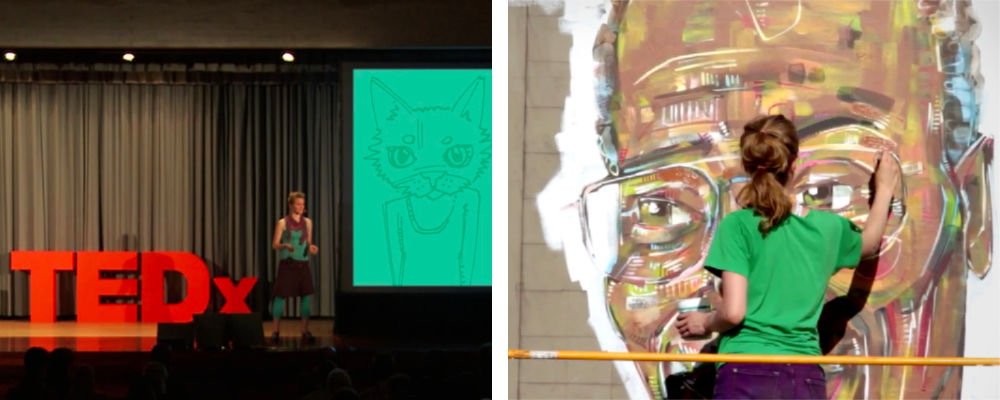
- 05/22 My TEDx Talk!
- 05/21 Failing to Paint Like Derain
- 05/18 A New Perspective on Originality
- 05/12 Writing an Artist’s Statement
- 05/06 My Talk at the AAAS
- 05/05 Citing Sources as an Artist
- 04/28 Why Artists Quit
- 04/24 Anger and Intellectual Property
- 04/18 How I Ended Up Talking at TEDxGeneva
- 04/10 Closed and Open at the Same Time
- 04/07 Adrienne Lewis and Me: 2 Painters, 1 Technique
- 03/28 Treating Endometriosis: Cookies
- 03/26 How My Style Evolved
- 03/20 The Allure of Hyperrealism
- 03/17 Why I’m Intimidating
- 03/10 How to Discount Art Properly
- 03/04 Dandelion
- 03/03 On the New Age Approach to Healing
- 02/10 Painting a Family Portrait
- 02/04 Cheaters Fear Cheaters.
- 01/27 2 Reasons Why People Buy Art
- 01/23 Commercial Use and the Free Artist
- 01/20 Tenacious
- 01/16 For Real
- 01/09 Workshopping!
- 01/02 The Dream
2013
- 12/12 The What and the Who
- 12/10 Translated into Chinese
- 12/09 David Hockney, Copyright, and the Five Stages of Grief
- 11/14 On Separating Artists from the Rest of Society
- 11/07 Where Religion Appears in My Art
- 10/31 Unsatisfied Portrait Clients
- 10/21 Training with Portraiture
- 10/17 The Fetish Photo Shoot
- 10/03 Why Artists Need to Learn about Copyright
- 09/30 The Alien
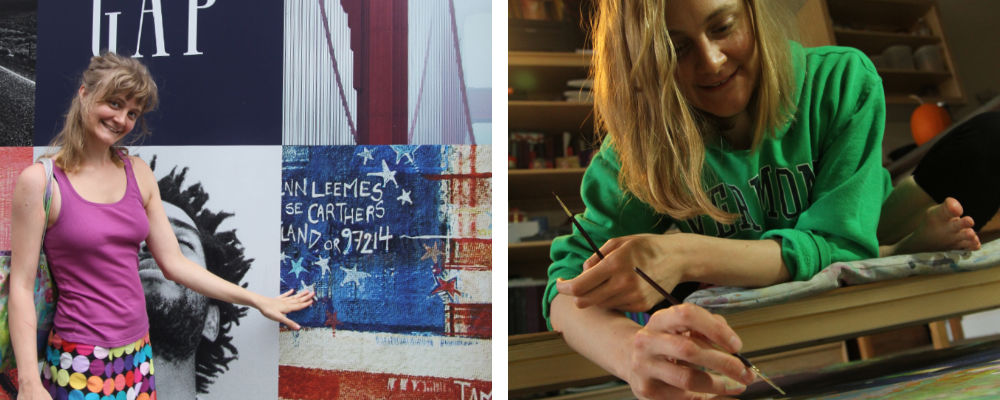
- 09/24 My Art in a Gap Ad
- 09/18 Being a Friendly Artist
- 08/19 The Dancing Argument
- 08/12 Using Portraits to Humanize
- 08/08 How to Start Selling Art
- 08/06 How to Publish a Book of Your Art
- 08/01 The Unexpected Generosity of the Public Domain
- 07/18 Surveying the Give and Take of Sharing Art
- 07/08 The Two Kinds of Criticism
- 07/01 Is Working from Photos Cheating?
- 06/24 An Art-writing Tip
- 06/18 Cross-pollination
- 06/17 On Being Picky about Who Buys My Art
- 06/10 Process Work
- 05/30 How to Write a Press Release for Your Art
- 05/22 Why I Can Write a Book about Science Even Though I’m Not a Scientist
- 05/16 10 Things Learned in 10 Years
- 05/13 Art Auctions and Artists Giving Back
- 05/06 The Artist’s Story
- 04/22 Drawing Me
- 04/10 How to Get Grants as an Artist
- 03/31 The Lie of the Artist’s Livelihood
- 03/20 Treating Endometriosis: Diet and Chinese Medicine
- 03/18 Drawing as Meditation
- 03/14 Treating Endometriosis: the Mirena Coil
- 03/11 Becoming an Artist
- 03/07 Treating Endometriosis: the Pill and the NuvaRing
- 03/05 Words and Images
- 02/25 Pet Portraiture and Pricing
- 02/23 The Real Danger in Not Standing Up for Yourself
- 02/17 What Artists Should Blog About
- 01/26 Deconstructing the Paywall
- 01/21 The Selfish Artist
- 01/08 Sucking My Thumb
2012
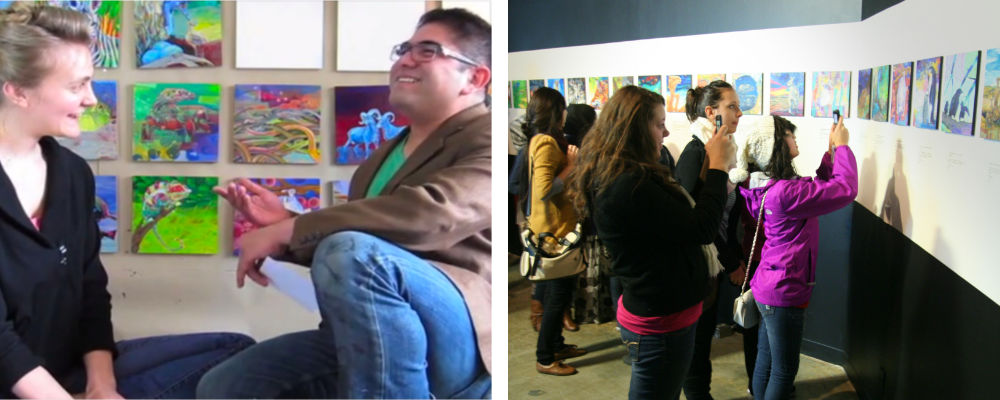
- 12/08 When People Take Photos of My Art in the Gallery
- 12/03 The Subtleties of Copyright: An Interview with Paul Kinsella
- 11/26 On Copyright Law and Being a Criminal
- 11/19 Why People Commission Portraits of Themselves
- 11/05 Choice
- 11/01 The Real Gift
- 10/29 How to Be a Professional Artist
- 10/27 Why I Don’t Shave My Legs
- 09/27 Purpose in Art
- 09/04 How to Make Portraits More Interesting
- 08/18 People Making People
- 08/06 Being an Adult, Being a Parent
- 07/29 Art and Pornography
- 07/25 Why Are You an Artist?
- 07/21 Art Therapy
- 07/10 Narcissism in Art
- 07/05 On Men’s Rights Advocacy and Feminism
- 06/21 We Can Be Giants.
- 06/14 Violent Tendencies
- 06/12 How to Price Art
- 06/03 Putting It in Perspective
- 05/16 Social Currency
- 05/14 Not Painting My Vagina
- 05/03 The Stupids
- 04/29 Smallness and the Artist’s Struggle for Immortality
- 04/26 Austin Kleon: Creativity, Copyright, and Superstition
- 04/25 Copyright Is for Scaredy-cats.
- 04/19 How I Paint My Portraits
- 03/26 The Pleasure of Panel
- 03/17 Ira Glass in the Looking Glass
- 03/15 Queer
- 03/12 Art That’s Worth Copying
- 03/07 Following Paintings: Gabe
- 02/20 I Don’t Do Drugs.
- 02/16 Dead, Tired, or Vital?
- 02/13 The Best Kind of Artist
- 02/06 Between Portraiture and Figurative Art
- 01/27 Following Paintings: Mary Anne and Katie
- 01/26 Taking Someone to Small Claims Court as an Artist
- 01/18 Becoming Peer
- 01/06 On Saying No and Saying Anything at All
- 01/01 Scarcity and Abundance: Let’s Talk about Copyright
2011
- 12/26 A Little Bit in Love
- 12/22 How to Put Hanging Wire on a Painting
- 12/12 Art in a Series
- 12/05 Good Photos Make Good Paintings.
- 12/01 Keeping the Faith as an Artist
- 11/29 Imitator? Yes. Innovator? Maybe.
- 11/17 Following Paintings: Lyndsay
- 11/13 Learning from Copying
- 11/03 The “Too Much” and the “Too Little” of Copyright
- 10/31 The List of People Who Told Me I Couldn’t Be an Artist
- 10/24 Paint-saving Palette
- 10/20 Following Paintings: James
- 10/14 Drawing a Wolf
- 10/05 A Conversation with a Disappointed Man
- 09/30 How to Stretch a Canvas
- 09/28 A Business Model for an Artist Who Does Not Use Copyright
- 09/27 Artists Who Believe in Copyright Are Like Tea Partyists.
- 09/26 How to Build a Stretcher for Canvas
- 09/21 Baby-raising and the Feminine Condition
- 08/22 Why I Make Art
- 08/17 Drawing My Mother
- 08/08 The Home Studio
- 08/05 Drawing a Shark
- 07/21 How to Commission an Artist
- 07/18 Your Favorite Kind of Animal
- 06/30 Magical Markers
- 06/02 Cultivating Self-confidence
- 05/31 Institutional Backing and Artistic Vision
- 05/05 Territory Versus Hierarchy
- 05/04 Do-over
- 04/27 Artists’ Contracts
- 04/21 Floor Work
- 04/13 Painting a Double Portrait
- 04/07 On Owning Culture
- 03/24 I’m a 711510.
- 03/07 Painting Versus Photography
- 03/01 Why Endometriosis Awareness Matters
- 02/12 Artists Are Future-makers.
- 02/07 I Sold My Soul.
- 01/13 My Copyright and My Copy Place
2010
- 12/26 Finished
- 12/16 Titled
- 12/08 Letting Go of My Art
- 11/29 Right and Wrong in Art
- 11/22 On Loving Wrinkles
- 11/10 How I Make Sure My Art Doesn’t Get Ripped Off on the Internet
- 10/28 For Art or for Money?
- 10/21 More American than You
- 10/04 Allegorical Portraiture
- 09/30 Painting Big
- 09/27 Between Life and Death
- 09/23 Putting My Face On
- 09/20 Common Portrait Mistakes
- 09/16 Where John Singer Sargent Gets Prickly
- 09/13 Art = Content + Delivery
- 09/12 The Small But Effective Act of Rebellion
- 09/01 Imitate This.
- 08/11 Raising Awareness about Endometriosis
- 07/26 Do You Call Yourself an Artist?
- 07/14 The 1960s Radical Separatist Feminist in My Head
- 06/21 On Being an Artist and a Feminist
- 06/14 Having an MFA Doesn’t Make You an Artist
- 06/02 How to Get Publicity as an Artist
- 03/26 Painting Portraits from Photos
- 03/01 The Expert Versus the Model
- 02/01 The Opposite of a “Painting a Day”
- 01/17 The Dregs at the Art Gym
- 01/06 “Thinking Outside the Box” Is Silly.
- 01/04 My Brushes
2009
- 12/23 In Defense of the Freelance Life
- 12/07 Granting Emergency Relief
- 11/30 What I Learned from Paul Missal’s Self-portrait
- 11/19 Down-to-earth
- 11/16 Working the Whole Composition
- 11/02 Drawing Life
- 10/16 How to Make Art on Commission
- 09/30 The Starving Artist and the Sell-out
- 09/18 Branding Yourself as an Artist
- 08/19 Photography’s Gift to Art
- 08/10 Survey Says...
- 06/02 Learning from the Masters
- 05/13 Collectors or Patrons?
- 04/15 Sham Ibrahim: “An Artist’s Job Is to Tell the Truth.”
- 04/06 What’s in a Name?
- 03/10 Politics for Art’s Sake
- 02/26 When My Work Is Like a Steakhouse Dinner...
- 02/16 Legos and Cupcakes and Crayons, O My!
- 01/03 Buying My Work Should Qualify as an “Official Duty.”
2008
- 11/03 Eye Like You.
- 10/26 Your Eyes Were Watching You.
- 10/12 Portrait of the Artist as Web 2.0
- 09/27 How to Show Your Art
- 09/21 When a Presidential Candidate Is Like a President.
- 09/18 When a Presidential Candidate Is Like a Baby with Candy.
- 08/04 Portraiture for the People
- 07/20 My Disposable Thumb
- 07/07 The Difference between Propaganda and Art
- 07/03 Paint Your Life
- 06/22 The Definition of Art
- 05/22 The Fine Art of Presenting Your Work
- 05/16 If You Don’t Document Your Work, You Never Made It.
- 05/13 Words, Words, Words...
- 04/23 The Look That Looks at Itself
- 04/17 On Being Part of the Transitional Generation
- 03/30 Denim That Refuses to Be Blue
- 03/20 Why Making Money from Your Work Makes You a Better Artist
- 03/19 Everybody’s a Critic
- 03/04 This, for Example, Is a Real Person.
- 02/23 What Is the Value of Art?
- 02/17 This Looks Like a Job for a Chicano!